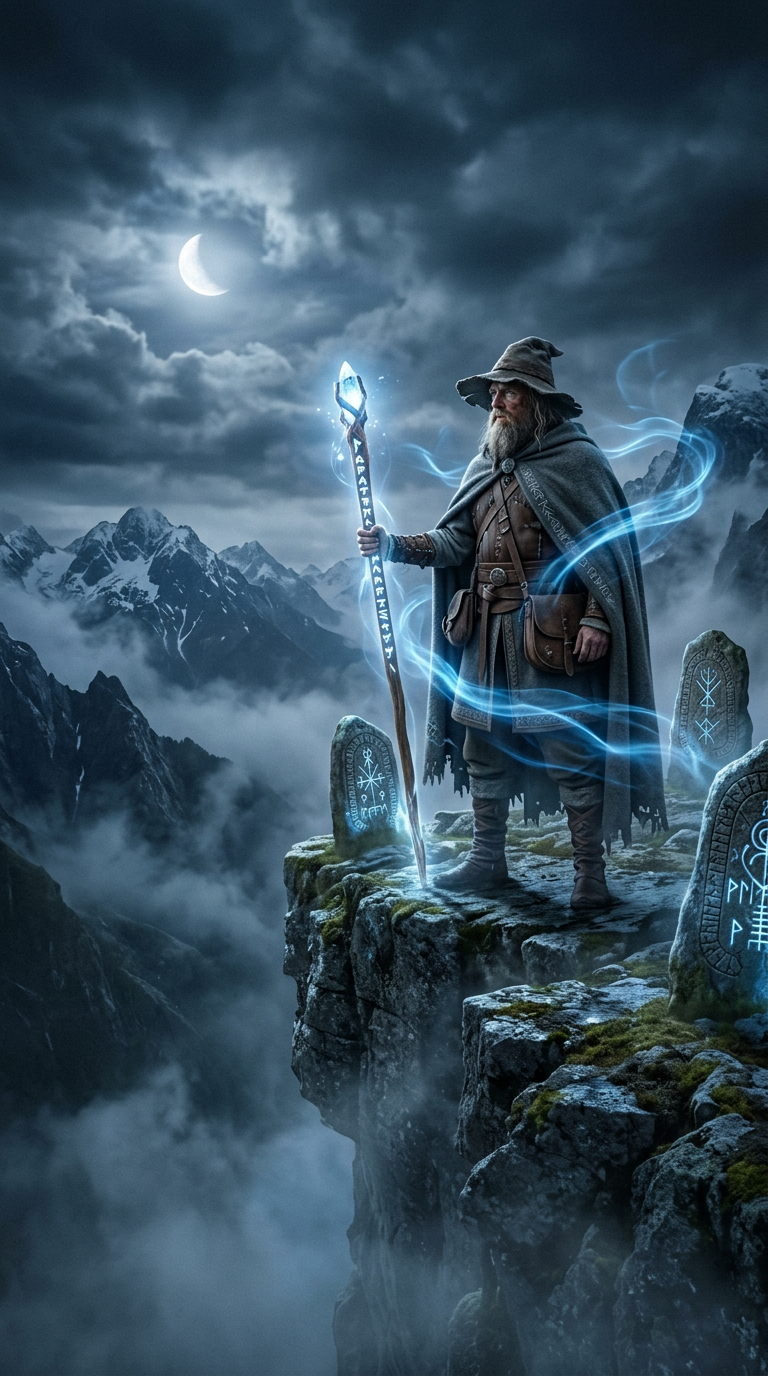
The Mythological and Historical Origins of the Name Gandolph (Gandalf): From Norse Lore to Medieval Europe
The name Gandolph—more commonly recognized today in its literary form, Gandalf—carries a legacy far older than modern fantasy fiction. While most people immediately think of J.R.R. Tolkien’s iconic wizard, the name itself stretches back nearly a millennium, appearing in Norse mythology, medieval European history, and Germanic linguistic traditions. Understanding the origins of Gandolph reveals a fascinating blend of myth, language, and cultural evolution.
Old Norse Roots: The Mythological “Gandálfr”
The earliest known form of the name appears in Old Norse as Gandálfr, found in the Völuspá, one of the foundational poems of the Poetic Edda. This ancient text preserves the names of dwarves, elves, and mythic beings from pre‑Christian Scandinavia.
Etymology of Gandálfr
The name is a compound of two Old Norse elements:
gandr — “wand,” “staff,” “magic,” or even “supernatural force”
álfr — “elf”
Literal meaning: “Staff‑Elf” or “Magic‑Wand Elf.”
Mythological Context
In Norse tradition, Gandálfr was not a wizard but a dwarf—one of the dvergar, the subterranean master craftsmen of myth. Tolkien, a philologist and expert in Old Norse, borrowed many dwarf names directly from this list when writing The Hobbit.
Interestingly, Tolkien originally assigned the name Gandalf to the leader of the dwarves in early drafts. Only later did he shift the name to the wandering wizard and rename the dwarf Thorin Oakenshield.
The Odinic Wanderer: The Archetype Behind Tolkien’s Wizard
Although the name comes from a Norse dwarf, the character of Gandalf is modeled heavily on the Norse god Odin, specifically in his “wanderer” form.
Shared Characteristics
Both Odin and Tolkien’s Gandalf are depicted as:
Elderly men with long grey beards
Wearing wide‑brimmed hats
Carrying staffs
Traveling the world in disguise
Offering wisdom, warnings, or guidance
The Archetypal Shift
In Norse myth, Odin is powerful but morally ambiguous—sometimes manipulative, deceptive, or self‑serving. Tolkien intentionally reshaped this archetype:
Odin: A cunning, unpredictable god
Gandalf: A wise, self‑sacrificing guide serving a higher moral purpose
This transformation reflects Tolkien’s broader goal of blending Northern European myth with his own spiritual worldview.
Historical Figures Named Gandolph, Gundulf, or Gondulphus
Beyond mythology, variations of the name appear throughout medieval Europe, especially in Norman and Germanic contexts. These historical Gandolphs were real individuals with notable influence.
Gundulf of Rochester (c. 1024–1108)
A Norman monk and later Bishop of Rochester, Gundulf was a master architect and administrator. His achievements include:
Overseeing construction of the White Tower, the central keep of the Tower of London
Founding the tradition that eventually became the Corps of Royal Engineers
His name, while similar to Gandolph, comes from a different Germanic root.
Blessed Gandolph of Binasco (d. 1260)
A 13th‑century Franciscan friar known for:
His life of extreme asceticism
Preaching throughout Sicily
Living as a hermit in a grey habit
Because of his grey robes and wandering lifestyle, some historians jokingly refer to him as “the real Gandalf the Grey.”
Name Variations and Meanings
Different spellings of the name reflect different linguistic origins:
NameOriginMeaning Gandolph / Gandalf Old Norse Staff‑Elf / Wand‑Elf GundulfGermanicBattle‑Wolf (gund = battle, wulf = wolf) Mithrandir Tolkien (Sindarin)The Grey Pilgrim
The similarity between Gandolph and Gundulf often leads to confusion, but they come from separate linguistic families—one magical, one martial.
Why the Name Endures
The name Gandolph/Gandalf persists because it sits at the crossroads of:
Mythology (Norse dwarves and the Odinic wanderer)
Linguistics (Germanic and Old Norse name traditions)
History (Norman bishops, medieval friars)
Modern literature (Tolkien’s Middle‑earth)
Its survival across so many eras speaks to its powerful imagery—staffs, magic, wandering wisdom, and ancient northern heritage.
Whether you’re researching mythology, genealogy, or literary history, the name Gandolph offers a rare glimpse into the deep cultural roots of Northern Europe. From the dwarves of the Poetic Edda to medieval bishops and Tolkien’s legendary wizard, the name carries a legacy of magic, mystery, and enduring influence.